
Secure Your Adventure: Permits and Rules Made Simple
Before your next weekend escape, we dive into permits and regulations for Canadian microadventures, explaining exactly what to secure before you go. From park entry passes to backcountry registrations, fire bans, and access permissions, this friendly guide helps you plan responsibly, avoid fines, and travel with confidence while protecting the wild places you love.
National Park Entry and Backcountry Reservations
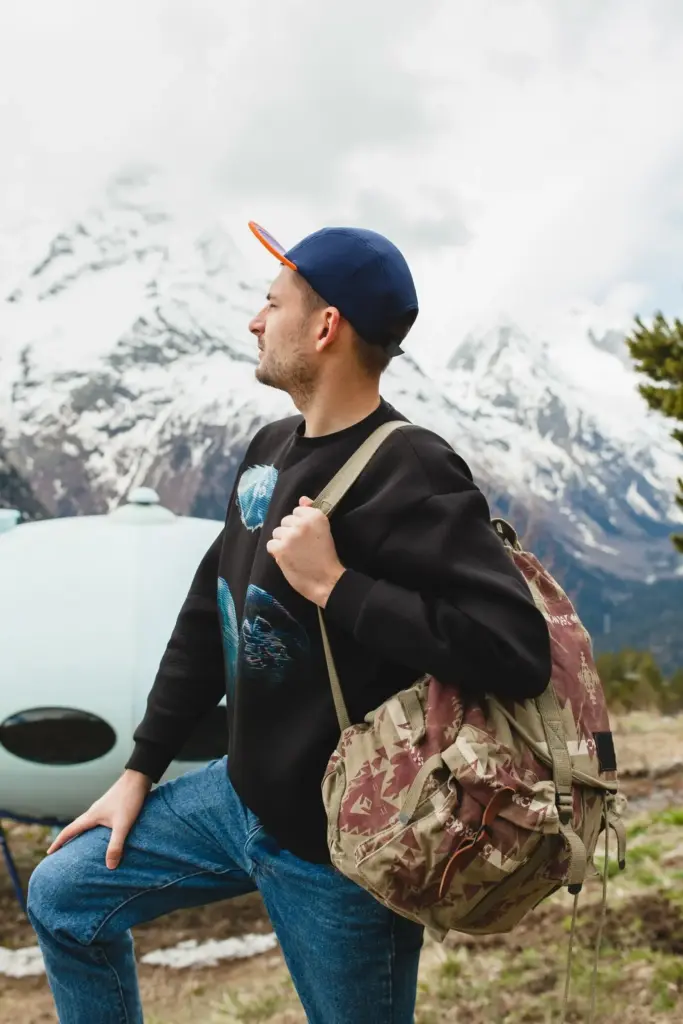
Parks Canada sites often require either a daily entry fee or an annual pass, and many popular backcountry routes need reservations with specific dates and party sizes. Review route quotas, mandatory orientations where applicable, and campsite assignments. Booking early avoids disappointment, while reading trip advisories provides crucial details about wildlife activity, trail maintenance, and seasonal access conditions.
Provincial and Territorial Requirements
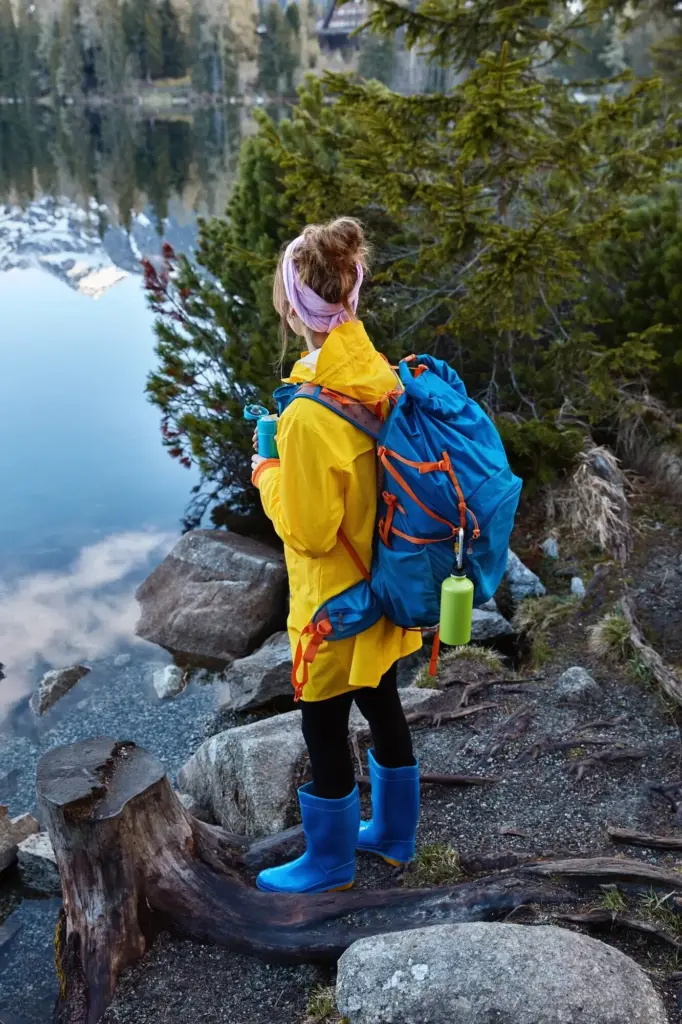
Provinces and territories manage their own systems for day-use, camping, and backcountry access, sometimes with distinct reservation windows, vehicle permits, and cancellation policies. British Columbia, Ontario, Alberta, Quebec, and others may use different portals and rules. Confirm campsite types, maximum group sizes, and check-in procedures. Knowing these differences prevents misunderstandings and keeps your plans flexible when demand spikes unexpectedly.
Staying Flexible with Quotas and Timed Releases
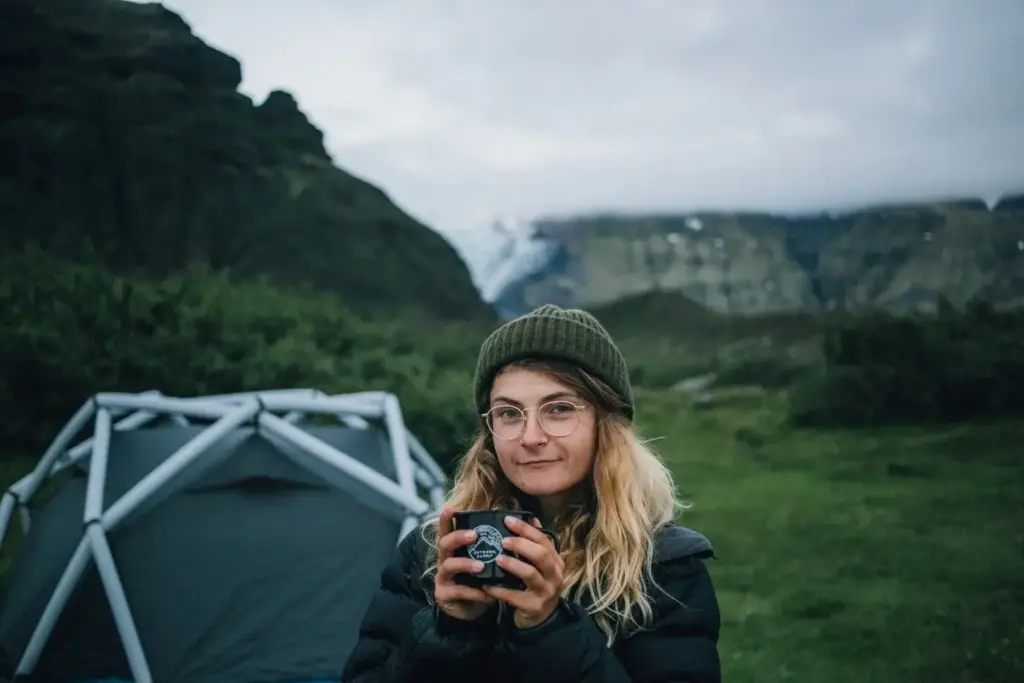
High-demand trails and campsites can fill quickly through quotas, staggered releases, or waitlists. Flexibility about dates, trailheads, and route direction can dramatically improve chances. Set calendar reminders for release times, keep alternate itineraries ready, and consider shoulder seasons. If you secure a spot, verify permit numbers match your group and carry proof both digitally and on paper for spot checks.
Know the Land You’re On
Canada’s landscape is a mosaic of jurisdictions, each with its own access expectations. Crown land, private property, and Indigenous territories can sit side by side. Respect begins with clarity: learn which permissions are needed, how to ask properly, and what conditions apply, so your quick microadventure aligns with local rights, stewardship, and shared safety responsibilities.
Crown Land Access Basics
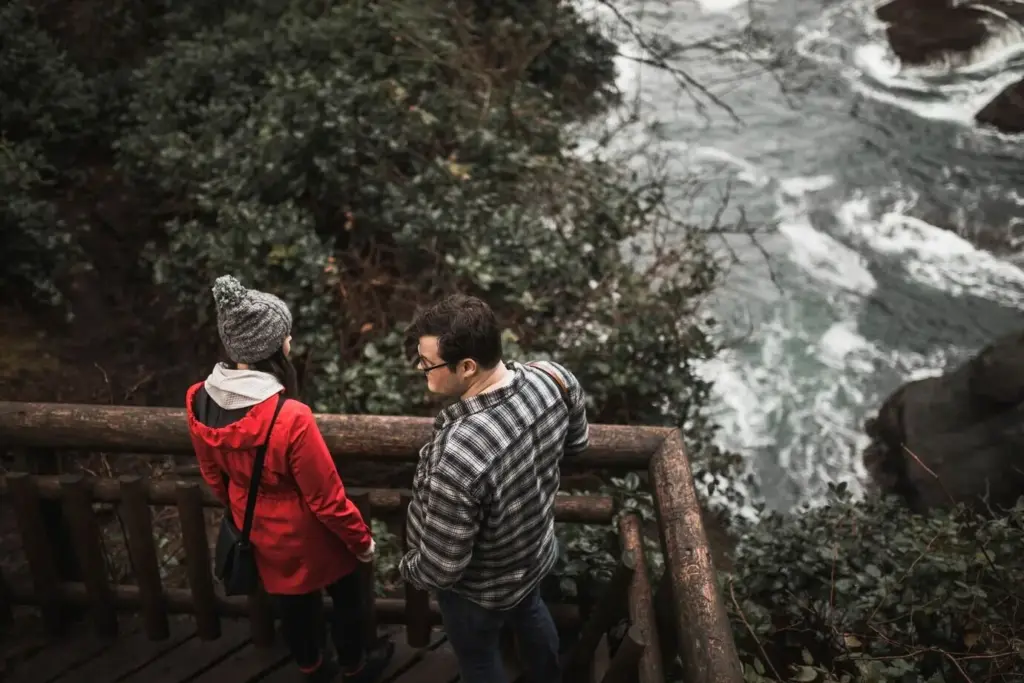
Crown land access rules vary by province or territory, including limits on consecutive nights, vehicle restrictions, and whether non-residents require additional permits. Verify camping allowances, fire policies, and motorized use regulations. Maps from official government sources help identify boundaries clearly, reducing conflict and ensuring you avoid sensitive areas, industrial operations, or seasonal closures related to wildlife or active land management.
Private Property Permission Done Right
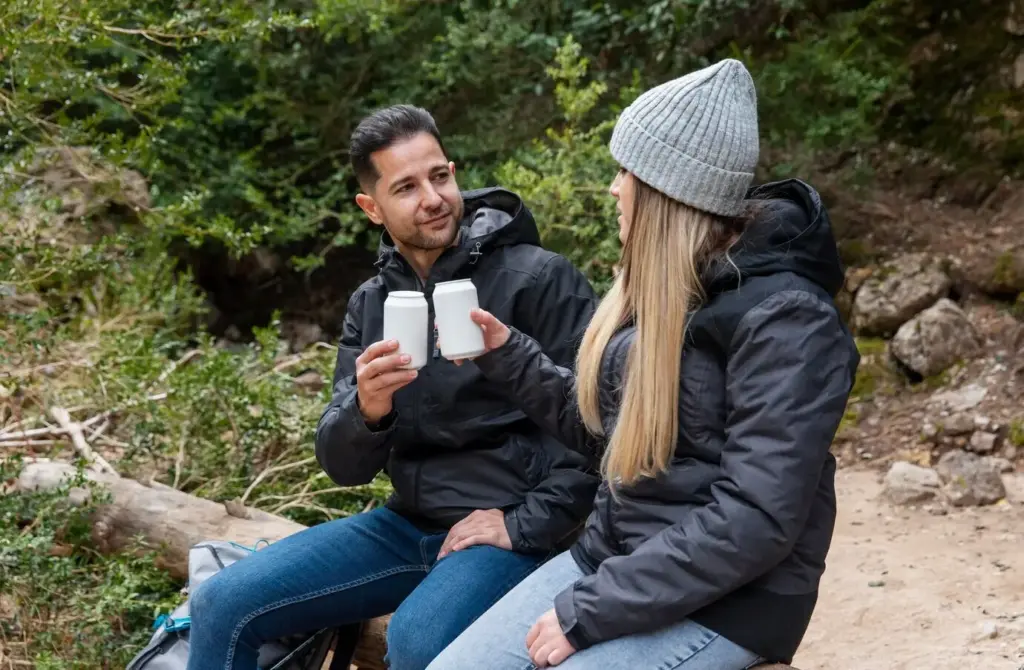
When routes cross private land, seek explicit permission first, ideally in writing or through a recognized access program. Confirm permitted activities, parking locations, hours, and any seasonal conditions. Leave gates as found, minimize noise, and stick to agreed pathways. A respectful approach builds trust, preserves access for others, and demonstrates that microadventures can be both low-impact and community-minded.
Respecting Indigenous Territories and Protocols
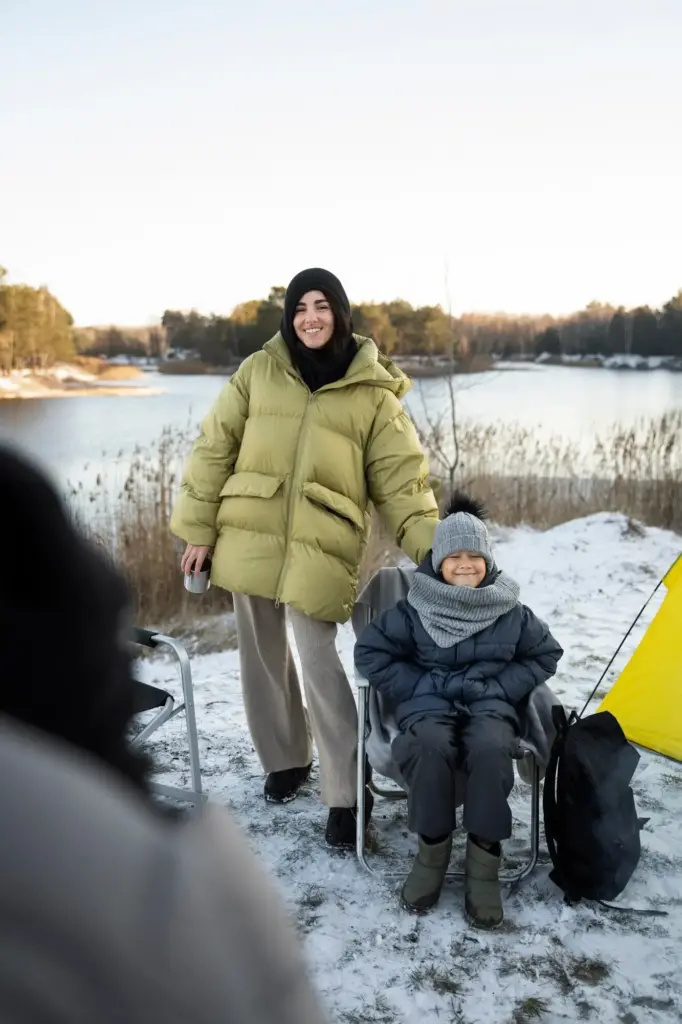
Many cherished landscapes are Indigenous homelands with unique protocols, governance, and cultural protections. Some areas require permission or guided access, while others may be closed for stewardship or ceremonial reasons. Consult local Nation websites, visitor centers, or co-managed park authorities. Listening carefully, following posted guidance, and asking before entering helps relationships flourish and honors living traditions while you explore responsibly.
Activity Rules That Matter
Fire regulations can change daily during warm, dry periods. Check provincial wildfire advisories and local park notices before you pack fuel. When fires are prohibited, use a stove with a stable base and windscreen, protect soil and vegetation, and carry enough water to cool equipment. Following posted bans safeguards communities, prevents closures, and shows genuine care for the landscape you enjoy.
Angling regulations differ between provincial waters and national parks. Many provinces require a valid licence and adherence to seasonal windows, catch limits, and gear rules. In national parks, a separate Parks Canada fishing permit is often required. Always verify species-specific restrictions, barbless hook requirements, and invasive species precautions to keep waters healthy and ensure respectful, sustainable recreation throughout your trip.
Wildlife encounters are minimized when food, toiletries, and odorous items are stored properly. Use provided lockers, approved containers, or appropriate hangs where allowed. Follow campsite spacing rules, cook away from sleeping areas, and keep camps scrupulously clean. Heed temporary closures for bear or nesting activity. Your diligence protects animals from habituation and keeps future visitors safer, too.
Seasons, Closures, and Environmental Care
Microadventures thrive when you time them well. Seasonal closures protect trails during muddy periods, safeguard wildlife during sensitive cycles, and allow avalanche control in mountainous regions. Understanding timing, reading advisories, and adjusting plans responsibly means fewer surprises, better conditions, and a more meaningful relationship with the place you’re visiting—no matter how short your getaway.
Travel Modes and Gear Rules
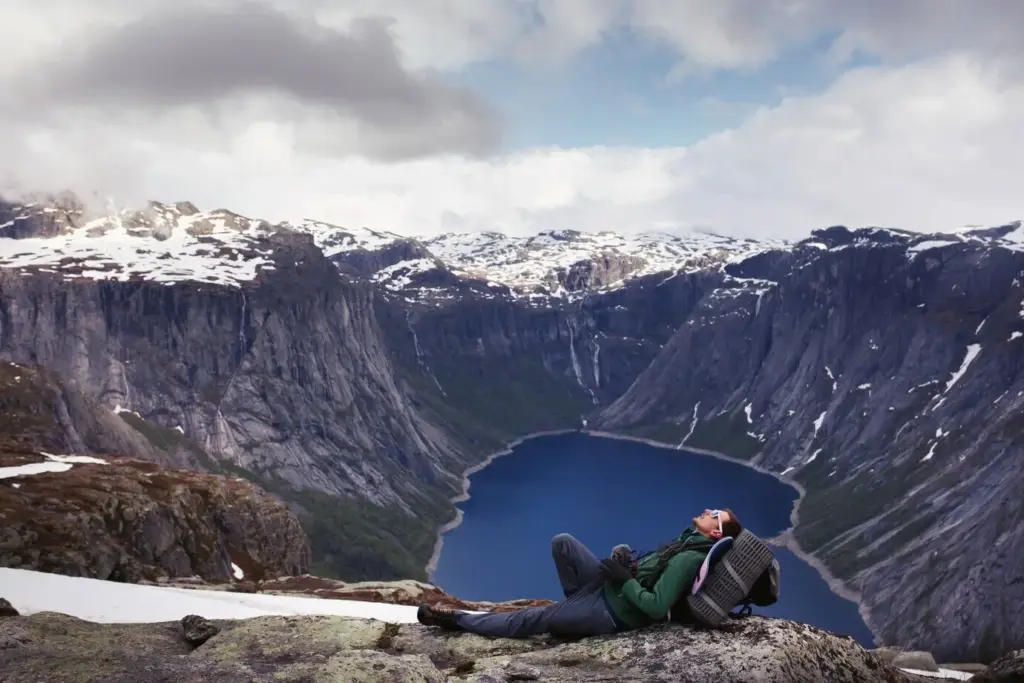
How you move affects what paperwork and etiquette you need. Boats, bikes, and drones all carry specific rules designed to reduce conflicts, protect wildlife, and avoid hazardous situations. Reviewing requirements beforehand streamlines your microadventure and helps you share trails, lakes, and skies gracefully with others seeking the same brief breath of freedom.
Watercraft Inspections and Invasive Species Prevention
Many provinces require mandatory inspection station stops for trailered watercraft. Clean, drain, and dry procedures limit the spread of invasive species that threaten fisheries and infrastructure. Carry proof of inspection where required, cooperate with staff, and budget time for checkpoints. A few minutes of diligence safeguards entire watersheds and keeps paddling opportunities thriving for everyone.
Drones, Photography, and Airspace Respect
Transport Canada rules govern drone pilots, and many protected areas prohibit recreational drone use without explicit authorization. Check no-fly zones, altitude limits, and privacy expectations. When aerial photography is not permitted, shift to thoughtful ground compositions. Respectful choices reduce wildlife stress, prevent rescues from misinterpreting drones as hazards, and keep shared spaces calm for all visitors.
Documents, Safety, and Peace of Mind
Trip Plans and Emergency Readiness
Leave a concise itinerary with a trusted contact, including route, timing, group size, and vehicle details. Pack essentials, including first aid and weather-appropriate layers. Know local emergency numbers and park dispatch protocols. A deliberate check-out message upon return prevents unnecessary searches and demonstrates a practical, community-minded approach to exploring responsibly with limited time.
Insurance, Fees, and Unexpected Costs
Confirm whether your health, travel, or adventure policies cover backcountry incidents, evacuations, or damaged gear. Some jurisdictions charge for certain services, while others do not. If you are a visitor, verify coverage for outdoor activities. Consider vehicle permits, day-use fees, and parking costs in your budget so last-minute surprises never derail a simple overnight escape.
Keep Proof Handy, Even Offline
Screenshots and printed copies of permits, reservations, and confirmations help when connectivity fails or scanners malfunction. Label files clearly by date and location. Store them in a waterproof bag with ID and a compact notebook. Quick access reduces stress during spot checks and keeps you moving toward lakes, summits, and starlight sooner.